Prosecco Rosato (Italy)
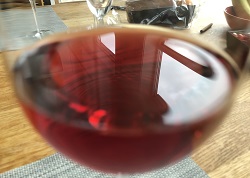
Prosecco Rosato is an official category of Italian sparkling wine under the Consorzio Tutela Prosecco DOC.
It blends the traditional white Glera grape with red Pinot Noir to create a fresh, pink sparkling wine.
Prosecco Rosato Flavors
Citrus, Red Fruit, Apple, Peach and Flowers are typical Prosecco Rosato flavors.
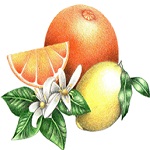 Citrus |
 Strawberry |
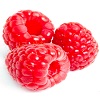 Raspberry |
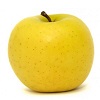 Apple |
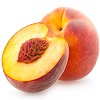 Peach |
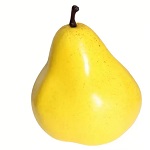 Pear |
 Floral |
 Herbs |
Prosecco Rosato Profile
Prosecco Rosato have less body and larger bubbles than Champagne.
| SUGAR: | 15 g/l |
| BODY: | Light |
| FRUIT: | Low |
| ACIDITY: | Medium |
| ALCOHOL: | 11% ABV |
 |
Serving temperatures: 6-8°C (43-46°F) |
Prosecco Rosato Food Pairing
You can drink Sparkling Wines to almost everything. Whether it is French Champagne, Spanish Cava or Italian Prosecco.
 Aperitif |
 Salads |
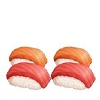 Sushi |
 Sandwitch |
 Seafood |
 Fries |
 Egg Dishes |
 Spicy Food |
Prosecco Rosato pairs well with salt, because the bubbles break up the salt in the mouth.
The sweetness of Prosecco matches hot, spicy food.
Excellent Pairings
Antipasti. Sandwiches. Focaccia.
Green Salad. Asparagus. Avocado. Artichokes.
Ham and Melon. Prosciutto. Serrano.
Egg Dishes. Omelette.
French Fries. Popcorn.
Cheeses
Soft and Fresh Cheeses.
Brie. Camembert. Washed-Rind. Robiola.
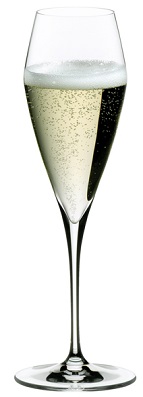
The Ideal Glass for Prosecco Rosato
|
A Flute Glass has a tall and narrow bowl to emphasize the aromas of the wine. The shape also helps balance the acidity found in sparkling wines. Flutes also preserve bubbles by reducing the surface area at the top, which slows the release of carbonation, keeping a sparkling wine fizzy for longer. |
Prosecco Rosato Cheese Pairing
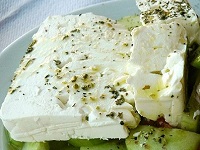
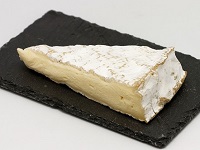
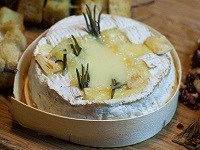
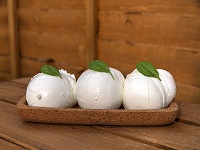
Brie and Camembert
The creamy, buttery texture and mild flavors of Brie or Camembert pair well with Prosecco Rosato's soft bubbles and fruity notes. Serve the cheese at room temperature with slices of pear or apple.
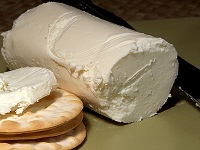
Chèvre (Goat Cheese)
The tangy, fresh flavors of goat cheese complement the acidity often found in Prosecco Rosato, especially those made from Chenin Blanc or Sauvignon Blanc. Drizzle with a bit of honey or sprinkle with fresh herbs.
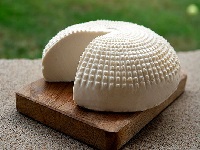
Chaource
This creamy, slightly tangy cheese enhances Prosecco Rosato's gentle acidity and complements its soft bubbles. Serve with fresh berries or a touch of apricot jam.
Langres
This mild, washed-rind cheese has a creamy texture and a subtle tang that pairs beautifully with Prosecco Rosato. Add a small drop of honey or serve with fresh grapes.Tomme de Savoie
This semi-hard, nutty cheese pairs beautifully with the gentle effervescence and often fruity character of Prosecco Rosato. Add some dried fruits or nuts to highlight the pairing.
Italian Prosecco
Prosecco is one of the world's most famous Sparkling wines.
Light and fruity, tank-produced bubbles from Northern Italy have had a boom sale in recent years, and has taken the role as an alternative to expensive Champagne.
The main grape in Prosecco is Glera.
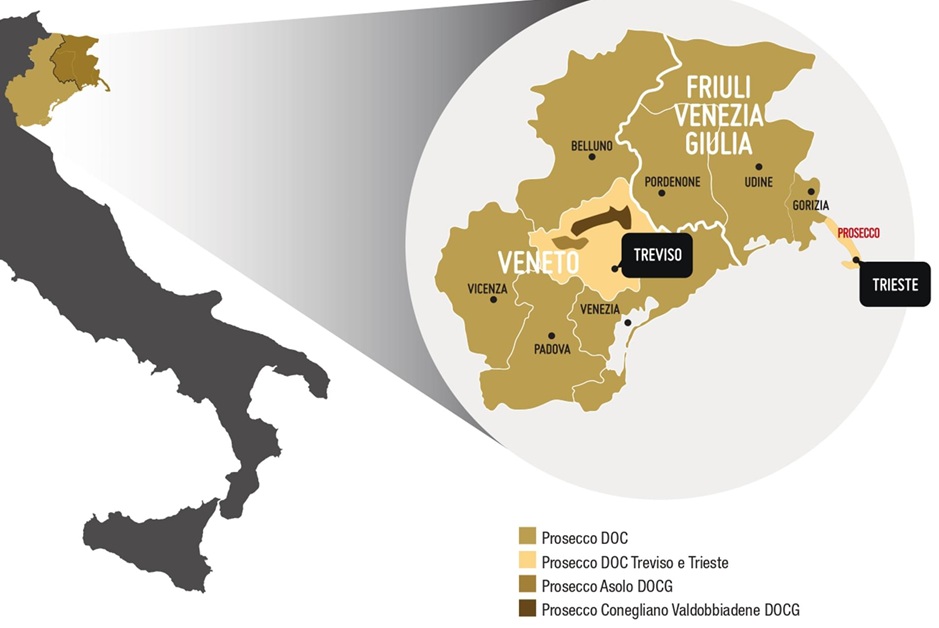
Prosecco is produced in 9 different provinces in Veneto and Friuli Venezia Giulia.
The Prosecco Superiore DOCG Conegliano-Valdobbiadene is made by min.85% Glera grapes. Other grapes allowed are Verdisio, Bianchetta and Perera.
The most important sub-region is Cartizze. Prosecco DOCG Superiore di Cartizze is the top of the line inside the wider region of Valdobbiadene.
Prosecco Hills - a UNESCO World Heritage Site

Veneto is the only place in the world where there are eight UNESCO World Heritage Sites.
The Prosecco Superiore Hills are located right in the centre of this area.
- Venice and its Lagoon (1987)
- The City of Vicenza and the Palladian Villas of the Veneto (1996)
- The Botanic Garden in Padua (1997)
- The City of Verona (2000)
- The Dolomites (2009)
- Prehistoric Pile Dwellings around the Alps (2011)
- Venetian Works of Defence between the 16th and 17th Centuries (2017)
- The Conegliano and Valdobbiadene Prosecco Hills (2019)
Martinotti-Charmat Method (Metodo Italiano)
Italian Prosecco is made using the "Martinotti-Charmat" method.
This method is quicker and cheaper than the Champagne method.
With the Martinotti-Charmant method, base wine, yeast, and sugar is mixed into a large steel tank. The tank is sealed, the yeast consumes the sugar, while releasing bubbles that carbonate the wine.
Federico Martinotti (1860-1924) was the oenologue who developed and patented its method in Asti, Piedmont, in 1895.
The method was further elaborated and patented by french inventor Eugène Charmat in 1907.
The method was named after Charmat but it has many names such: Cuvè Close, Metodo Italiano , The Tank Method, Metodo Martinotti, Metodo Martinotti-Charmat.
The irony of history wants that today it is Italian wines such Prosecco, Lambrusco, Asti Spimante, Malvasia Frizzante and Brachetto the leaders of the world wine market, while none knows about French sparkling wines made with the Charmat Method. A French name for an Italian preferred market.
Region Veneto
The most famous white wines from the region are Soave and the sparkling Prosecco.
The most famous red wines are Amarone and Valpolicella from the Valpolicella Wine Region.
Black Grapes |
White Grapes |
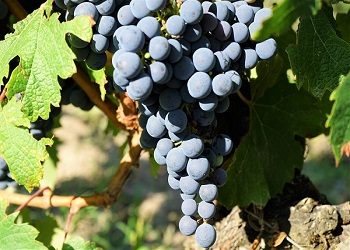
11% Corvina |
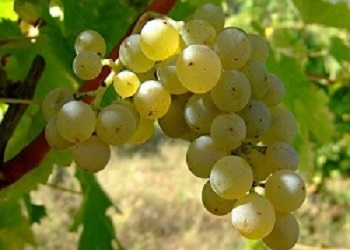
27% Glera |


Veneto is home to some incredible DOCG wine regions:
- Amarone della Valpolicella DOCG
- Asolo Prosecco DOCG
- Bagnoli Friularo DOCG
- Bardolino Superiore DOCG
- Colli di Conegliano DOCG
- Colli Euganei Fior d’Arancio
- Conegliano-Valdobbiadene Prosecco DOCG
- Lison DOCG
- Montello Rosso DOCG
- Piave Malanotte DOCG
- Recioto della Valpolicella DOCG
- Recioto di Gambellara DOCG
- Recioto di Soave DOCG
- Soave Superiore DOCG
Soil |
Climate |
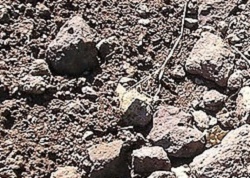
Calcareous. |
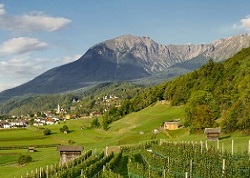
Mild Continental |