Montrachet (France)
Montrachet is a Chardonnay from Burgundy.
Montrachet Flavors
Citrus, Apple, Pear, and Peach are typical Montrachet flavors.
With notes of White Flowers, Honey, and Flinty Minerals.
 Citrus |
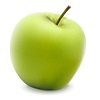 Apple |
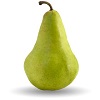 Pear |
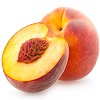 Peach |
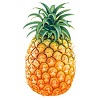 Pineapple |
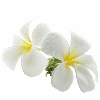 Flowers |
 Honey |
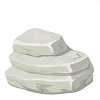 Flint |
Flavors from Maturation and Aging
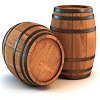 Oak |
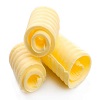 Butter |
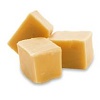 Caramel |
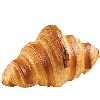 Croissant |
Montrachet Profile
Montrachet is most full bodied, with good fruit and medium acidity.
| SUGAR: | Dry (3 g/l) |
| BODY: | Full |
| FRUIT: | Medium Plus |
| ACIDITY: | Medium |
| ALCOHOL: | 13-13.5% ABV |
 |
Serving temperature: 10-12°C (50-54°F) |
Montrachet Food Pairing
Montrachet is very food friendly.
It pairs well with Creamy or Buttery Food.
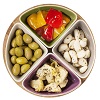 Finger Food |
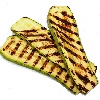 Grilled Vegetables |
 Creamy Pasta |
 Risotto |
 Fish |
 Salmon |
 Chicken |
 Pork |
Excellent Pairing
Roasted Vegetables. Pumpkins.
Mushrooms. Onions. Garlic.
Anything with Creamy or Buttery Sauce.
Pasta in Creamy Sauce. Risotto.
Rich Fish Soup. Fish Cakes. Tuna.
Lobster or Salmon with Drawn Butter.
Chicken. Poultry. Pork. Veal.
Hazelnuts. Cashew. Pecans. Coconut.
The Ideal Glass for Montrachet
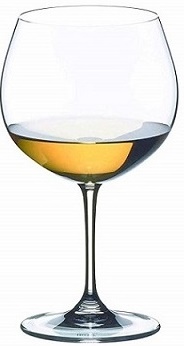
The Chardonnay Glass was designed for enjoying full-bodied white wines. They have a wider bowl and a tapered top to enhance the buttery and oaky notes found in aged wines.
|
The wide bowl steers the wine to the sensitive parts of the tongue, ensuring that the acidity creates a harmonious balance with the sweet aromas of the wine. The wide bowl allows the full bouquet of aromas to develop. It also reduces the risk for over-concentrated aromas. |
Montrachet Cheese Pairing
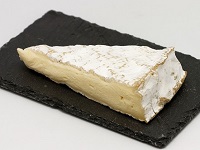
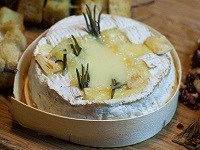
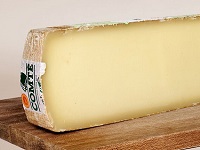
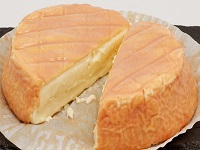
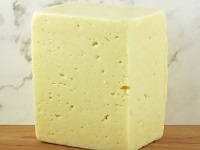
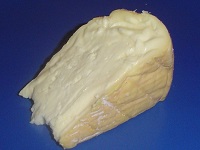
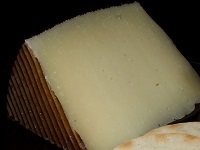
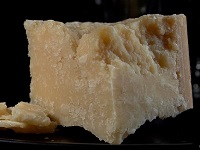
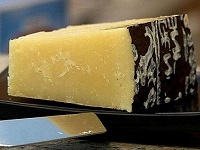
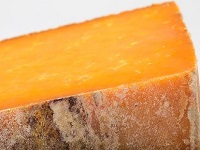
Brie or Camembert
These creamy, rich cheeses complement the full, round mouthfeel of a full-bodied Montrachet. The buttery flavors in both the wine and the cheese enhance each other beautifully.
Gruyère and Comté
The nutty, slightly sweet flavors of these cheeses pair well with the complex fruit and oak characteristics of a full-bodied white wine. The firm cheese texture adds a pleasant contrast to the richness of the wine.
Munster And Époisses
A rich and pungent washed-rind cheese provides a bold contrast to the refinement of a full-bodied Montrachet.
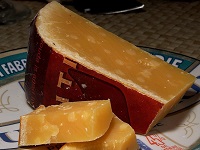
Aged Gouda
Aged Gouda, with its caramel and butterscotch notes, matches the depth and complexity of a full-bodied Montrachet. The wine’s acidity helps balance the cheese’s rich flavors.Havarti
The creamy and mild flavor of Havarti pairs well with the rich and buttery texture of a full-bodied Montrachet, making for a delightful and balanced pairing.
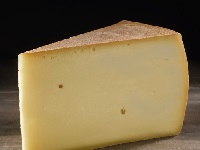
Aged Cheeses
The crystalline texture and savory, nutty flavor of aged chesses will complement the undertones of a full-bodied Montrachet.
If You Like Montrachet
You May Also Like:
Chardonnay in France - Burgundy
Chardonnay was born in France.
Bourgogne (Burgundy) is the world's most famous Chardonnay region.
The area was a prehistoric (Jurassic) sea, and the taste of seashells in the soil, you can also find in its wines.
The most famous light Chardonnays are Chablis and Petit Chablis.
The most famous full body Chardonnays are Mersault and Montrachet.
Bourgogne AOC
Unoaked dry Chardonnay.
Chablis AOC
Chablis (Unoaked dry Chardonnay with high acidity)
Petit Chablis (Unoaked dry Chardonnay with high acidity)
Mâconnais
Mâcon AOC (Unoaked dry floral and aromatic Chardonnay)
Pouilly-Fuissé AOC (Oaked full body Chardonnay)
Côte d'Or
Mersault AOC (Oaked full body Chardonnay)
Montrachet AOC (Oaked full body Cardonay)
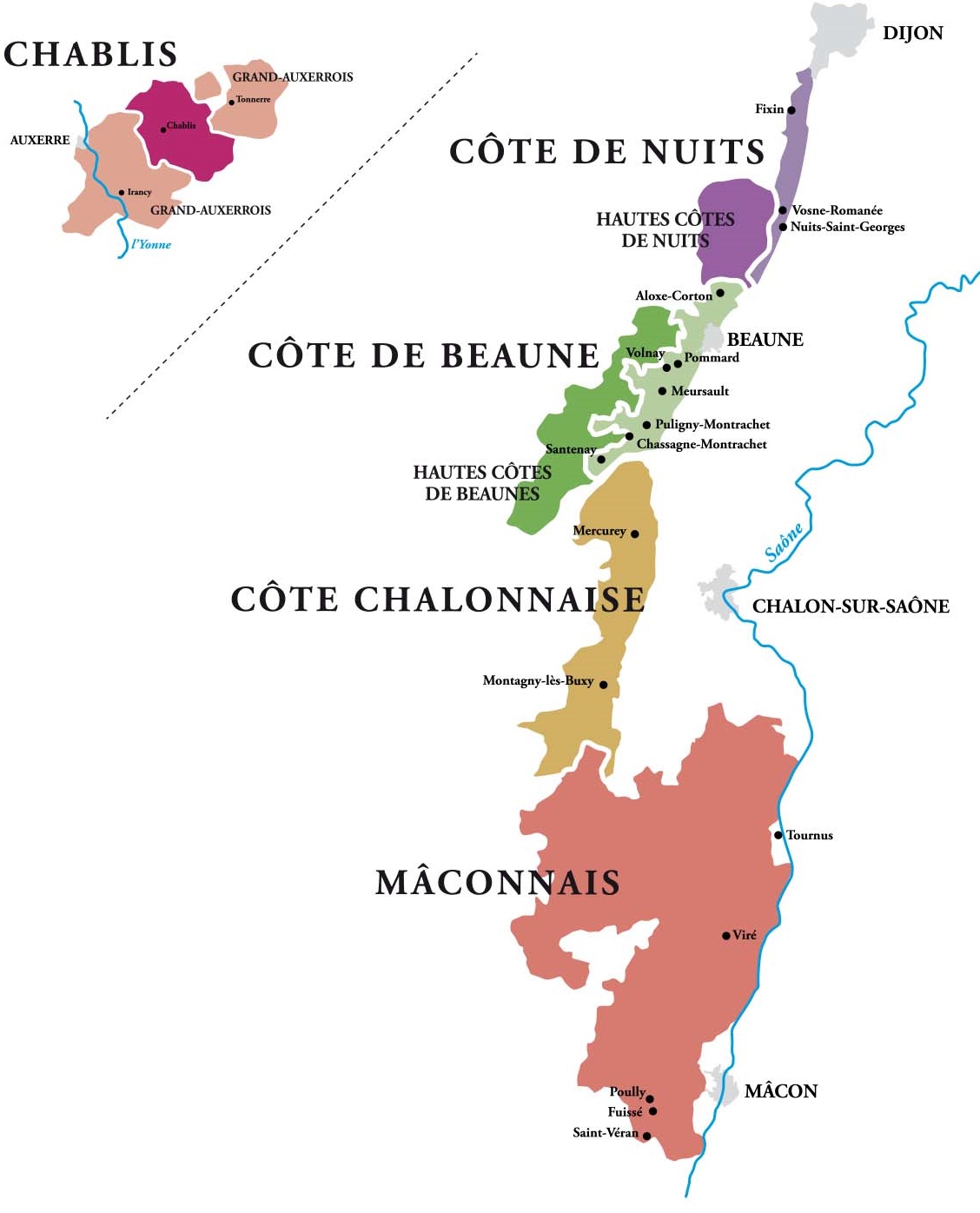
The most famous Chardonnay in the light side is Chablis. Chardonnay from Mâcon and Saint-Véran is floral, mild and round, while Mersault and Montrachet are identified as buttery and full bodied.
In France, you often find only the name of a place (Chablis, Meursault, Montrachet) on the label, not the name of the grape. You are supposed to know your geography and the region’s AOC hierarchy.
7 Regional AOC (e.g. Côteaux Bourguignons).
44 Village AOC (e.g. Chablis, Côte de Beaune, Nuits-Saint-George).
640 Village Premier Cru AOC The name of the village is followed by the name of the Climat (e.g. Beaune 1er Cru "Les Cents", Pommard 1er Cru "Les Rugiens", Meursault 1er Cru "Les Perrières").
33 Grand Cru AOC (e.g. Romanée-Conti, Le Clos de Vougeot).
About Montrachet
Montrachet is an AOC and a Grand Cru vineyard for white wine made of Chardonnay in the Côte de Beaune subregion of Burgundy.
It crosses the border between the two communes of Chassagne-Montrachet and Puligny-Montrachet and produces what many consider to be the greatest dry white wine in the world.
Picture: Looking down the vines of Chevalier-Montrachet with Montrachet below and Batard-Montrachet just beyond. The village of Puligny-Montrachet is in the distance.
Puligny-Montrachet is a world-renowned, highly regarded white wine from Burgundy, France, made exclusively from the Chardonnay grape. The wines are known for their fullness, elegance, high freshness and complex aromas of citrus, white flowers, minerality, and barrel character (butter/nuts).
To find wines that are comparable, you should look for other high-quality white Burgundies or Chardonnay wines from other areas that are made in a similar, barrel-aged style.
Direct Alternatives from Burgundy
The most direct comparisons would be other wines from nearby communes in the Côte de Beaune district of Burgundy. These share many of the same soils and production methods:
Meursault: Wines from Meursault are often fuller and more buttery than Puligny-Montrachet, with distinct nuttiness and richness.
Chassagne-Montrachet: Very similar to Puligny-Montrachet, but can have a slightly more robust and fruity character, with a distinct minerality.
Corton-Charlemagne: A Grand Cru known for its powerful structure and great aging potential, often with intense minerality.
Chablis (Premier Cru or Grand Cru): While Chablis is generally leaner and more mineral (less barrel-like), the best wines will have an intensity and complexity reminiscent of Puligny-Montrachet, especially with some age.
USA - California (Russian River Valley or parts of Napa Valley): Many top Chardonnays from here are full-bodied, barrel-aged and have a rich, buttery style that can resemble the more generous style of a young Puligny-Montrachet.
Australia (Victoria or Western Australia): Some producers make elegant, complex Chardonnays that balance fruit concentration with fresh acidity and barrel character.
New Zealand (e.g. Hawkes Bay): Can offer Chardonnays with good structure and complexity.

The Chardonnay Grape
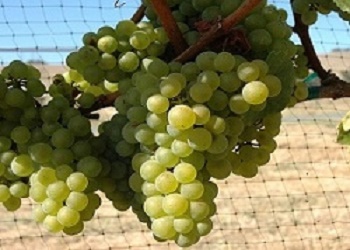
Chardonnay, the world's most popular white wine grape, was born in the Burgundy region of France.
It thrives in a range of climates, from cool to warm, each imparting distinct characteristics to the wine.
In cooler regions, Chardonnay exhibits flavors of green apple, pear, and citrus, accompanied by high acidity and a crisp finish.
Warmer climates bring out richer, more tropical fruit notes like pineapple, mango, and peach, often with a fuller body.
Chardonnay's profile can be further influenced by winemaking techniques.
Oak aging introduces flavors of vanilla, butter, and toast, adding complexity and a creamy texture.
Stainless steel fermentation preserves its bright, fruit-forward nature.
Bourgogne (Burgundy)

Black Grapes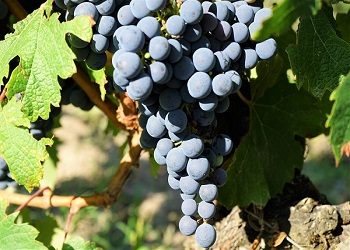
34% Pinot Noir |
White Grapes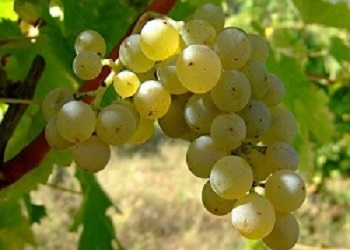
50% Chardonnay |
Red Wines 30%
Sparkling 10% |
White Wines 60%
Chardonnay |
Soil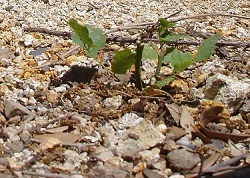
Limestone and Clay |
Climate
Semi-continental |