Pairing Cheese & Wine
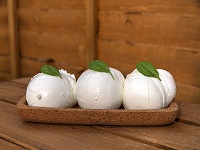
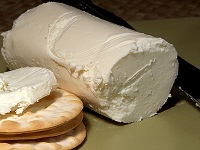
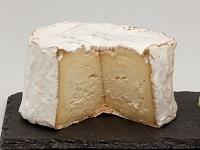
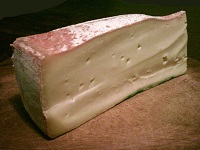
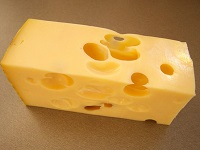
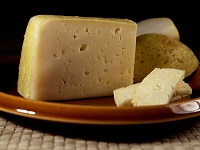
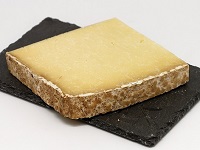
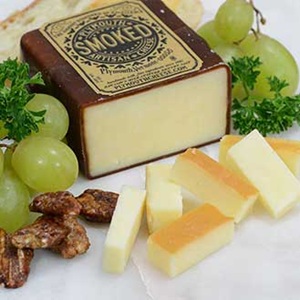
French AOC Cheeses

Beaufort
A firm, alpine raw cow's milk cheese known for its smooth texture and nutty finish.Bleu d'Auvergne
A creamy, pungent blue cheese from the Auvergne region with a spicy, salty kick.Brie de Meaux
The "King of Cheeses," this soft-ripened classic offers rich buttery flavors and mushroom notes.Camembert
A world-famous soft cheese from Normandy with a downy white rind and earthy, intense aroma.Cantal
One of France's oldest cheeses, this firm variety ranges from milky to sharp and peppery.Chaource
A delicate, creamy cow's milk cheese with a crumbly heart and hints of citrus.Comté
A beloved hard mountain cheese featuring complex layers of hazelnut, apricot, and brown butter.Maroilles
A powerful, square-shaped washed-rind cheese from the north with a pungent smell and sweet taste.Morbier
Recognizable by its decorative central layer of ash, this semi-soft cheese is mild and fruity.Munster
A bold, orange-rind cheese from the Vosges mountains with an assertive aroma and savory flavor.Ossay-Iraty
A traditional sheep's milk cheese from the Pyrenees offering a smooth, toasted-nut sweetness.Pont-l'Évêque
An ancient square cheese from Normandy, prized for its tender texture and barnyard richness.Reblochon
A velvet-soft alpine cheese with a saffron-colored rind, essential for making authentic tartiflette.Roquefort
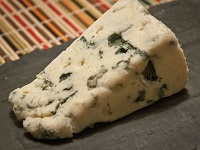
The iconic sheep's milk blue cheese, aged in caves for a tangy, crumbly, and sophisticated bite.Regional Differences
The diverse geography of France shapes its cheeses through different climates, soil types, and local livestock. Here are a few key regional differences:
Northern France (Normandy & Île-de-France)
This region is famous for its lush, green pastures, which produce high-quality cow's milk. The result is a tradition of rich, creamy, and soft-ripened cheeses.- Common: Bloomy white rinds and buttery, mushroomy interiors.
- Examples: Brie de Meaux, Camembert, and Pont-l'Évêque.
Mountain Regions (Alps & Jura)
High altitudes and long winters led to the creation of large, hard wheels of cheese that could be stored for months. These "mountain cheeses" are often cooked and pressed to remove moisture, making them durable.- Common: Firm, elastic textures with complex nutty, fruity, or toasted-butter flavors.
- Examples: Beaufort, Comté, and Morbier
Central France (Auvergne)
The rugged, volcanic soil of the Auvergne region influences the minerals in the grass, giving the cheeses a distinct earthy or spicy profile.- Common: A mix of robust, semi-hard cheeses and creamy blue-veined varieties.
- Examples: Cantal (semi-hard) and Bleu d'Auvergne (blue).
The South (Occitanie & Basque Country)
While the north favors cows, the rocky terrains of the south are ideal for sheep and goats. These cheeses often have a sharper, saltier, or more herbal character.- Common: Pungent blues or semi-hard sheep's milk wheels with a clean, toasted-nut finish.
- Examples: Roquefort (sheep's milk blue) and Ossau-Iraty (sheep's milk hard).
Eastern Borders (Alsace)
Traditional "washed-rind" techniques are popular here, where the cheese is regularly bathed in brine or alcohol during aging to develop a bold aroma.- Common: Sticky orange rinds with an assertive smell but a surprisingly smooth, sweet-savory flavor.
- Examples: Munster.
Iconic Italian Cheeses
Parmigiano Reggiano
Known as the "King of Italian Cheeses," this hard cow's milk cheese is produced in Emilia Romagna, requiring at least 12 months of maturation.Grana Padano
A grainy, hard cow's milk cheese from Northern Italy, often aged 9–20 months or more.Pecorino Romano
A sharp, salty sheep’s milk cheese primarily from Lazio and Sardinia, often used for grating.Gorgonzola
A world-renowned blue-veined cow's milk cheese from Lombardy and Piemonte.Mozzarella di Bufala Campana
A fresh, soft cheese made from water buffalo milk, predominantly in Campania.Taleggio
A pungent, washed-rind soft cheese that is buttery and mild in taste.Asiago
A cow’s milk cheese from Veneto/Trentino, available in fresh (pressato) or aged (stagionato) forms.Fontina
A semisoft cow's milk cheese from the Aosta Valley, known for its nutty flavor.Provolone Valpadana
A versatile, stretched-curd cow's milk cheese, available in sweet or sharp varieties.Castelmagno
A semi-hard, crumbly blue cheese from Piemonte.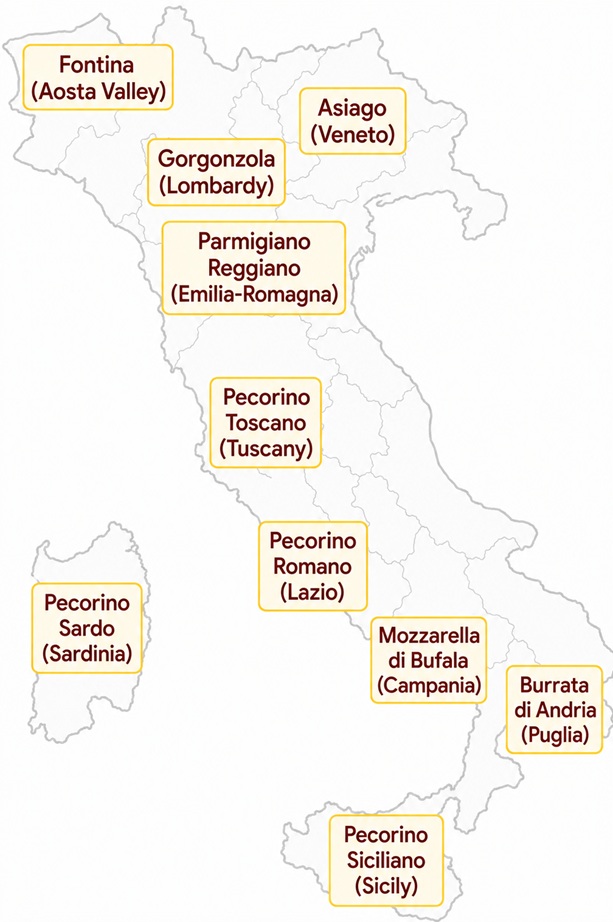
Regional Differences
Lombardy
Holds the highest number of DOP products, including Gorgonzola, Taleggio, and Quartirolo Lombardo.
Piemonte
Famous for Bra, Castelmagno, and Robiola di Roccaverano.
Sardinia/Lazio/Toscana
Centers for sheep's milk cheese Production (Pecorino Romano, Sardo, Toscano).
Iconic Spanish Cheeses
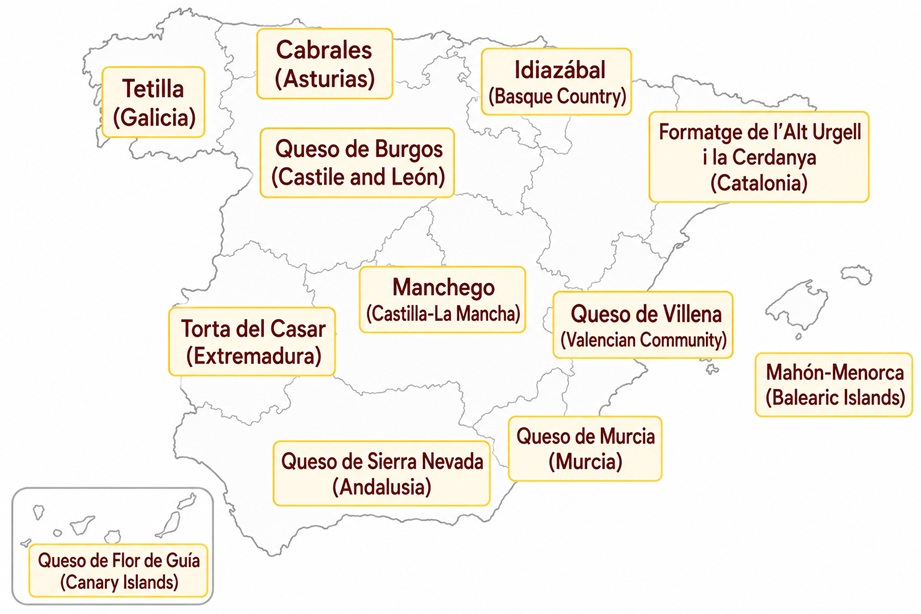
Manchego (La Mancha)
The most renowned, made from Manchega sheep's milk, offering a nutty, firm texture.Torta del Casar (Extremadura)
A creamy, gooey sheep's milk cheese often eaten by breaking the top crust.Idiazábal (Basque Country/Navarra)
A firm, often smoked raw sheep's milk cheese with a bold flavor.Cabrales (Asturias)
Cabrales PDO is a famous Spanish blue cheese from Asturias, produced using traditional, artisanal methods from raw Cow milk or blended with goat/sheep milk.Murcia al Vino (Murcia)
A goat's milk cheese with a soft texture, washed in red wine to create a bright purple rind.Arzúa-Ulloa (Galicia)
A mild, creamy cow's milk cheese known for its high meltability.Tetilla (Galicia)
Famous for its cone-like shape, it is soft and creamy.Roncal (Navarra)
The first to receive DOP status (1981), it is a firm, robust sheep's milk cheese.Mató (Catalonia)
A Mató is a fresh Sheep or Goat cheese of Catalonia in Spain. Cheeses from Ullastrell and Marganell near the Montserrat mountain are the most famous.Queso Ibores (Extremadura)
A firm goat's milk cheese with a reddish, paprika-dusted rind.Gamonedo (Gamonéu) (Asturias)
A blended-milk (cow, goat, sheep) cheese, smoked and aged in mountain caves.Mahón (Balearic Islands)
A cow's milk cheese ranging from mild to intensely sharp, with an orange rind.Majorero (Canary Islands)
Made from goat's milk, known for its firm texture and sometimes paprika coating.Queso de La Serena (Extremadura)
Similar to Torta del Casar, a delicate sheep's milk cheese made with vegetable rennet.Regional Differences
North (Galicia, Asturias, Basque Country)
Famous for creamy cow's milk cheeses like Tetilla and smoky sheep's milk cheeses like Idiazábal.
Central & South (La Mancha, Extremadura, Murcia)
Dominated by sheep and goat cheeses such as Manchego, Torta del Casar, and Murcia al Vino.
Islands (Canary Islands, Balearic Islands)
Notable for unique goat cheeses like Majorero.
Alcohol can be addictive. Always drink in moderation.
© Copyright 2015-2026 W3 Wine School. All Rights Reserved.