Cabrales (Spain)
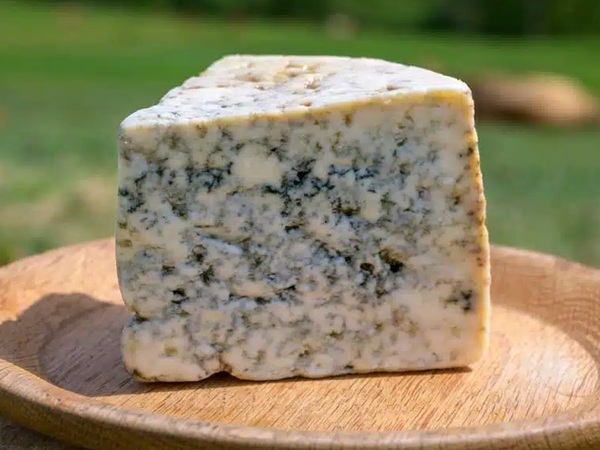
Cabrales PDO is a famous Spanish blue cheese from Asturias, produced using traditional, artisanal methods from raw Cow milk or blended with goat/sheep milk.
It is aged for 2-5 months in natural limestone caves, producing a strong, spicy flavor and a creamy yet crumbly texture with intense blue-green veins.
Wine Pairing Cabrales
Our favorite wine pairing is Riesling Spätlese.
Another favorite is Red Port.
Dessert Wines
Late Harvest Riesling
Late harvest Riesling offers intense aromatics, ripe fruit flavors, and a hint of sweetness. Its acidity can provide a refreshing contrast to the pungency of Cabrales, while the sweetness complements the cheese's tanginess.
Late Harvest Gewürztraminer
Late harvest Gewürztraminer offers intense aromatics, tropical fruit flavors, and a hint of spice. Its sweetness and acidity can provide a refreshing contrast to the pungency of Cabrales, creating a unique and enjoyable pairing.
Sauternes
Sauternes is a classic pairing for Cabrales. This sweet white wine from the Bordeaux region of France offers flavors of honey, apricot, and botrytized fruit. Its richness and sweetness can balance the sharpness and saltiness of the cheese, creating a harmonious combination.
Note: Similar wines like Monbazillac or Sainte Croix du Mont are a more affordable alternatives.
Fortified Wines
Aged Port
Port wine, particularly a vintage or late bottled vintage (LBV) Port, can be a delicious pairing with Cabrales. The wine's rich, fruity flavors, and sweetness complements the cheese's intense flavor and creamy texture, enhancing its complexity. The older the Port is, the stronger the cheese can be.
Pedro Ximénez Sherry
This dark, raisiny, and highly viscous sweet wine is considered a classic "contrast pairing". The intense sweetness balances the sharpness of the blue veins, similar to the traditional Port and Stilton combination.
Canary Islands Malvasía
On islands like Lanzarote, volcanic soils produce distinctive sweet and semi-sweet wines from Malvasía Aromática or Malvasía Volcánica grapes, known for their saline finish and stone fruit notes.
DO Malaga
The hundred-year-old Bodegas Málaga Virgen combine high-production wines such as Málaga Virgen, a blend of up to four types of sweet wine, with two excellent trasañejos (blends of wines aged for about 30 years using the solera system) and modern, naturally sweet Moscatels in which all the sugar and alcohol come from the grapes.
Madeira
Madeira, with its oxidative style and rich flavors of caramel, nuts, and dried fruits, can be an excellent match for Cabrales. Look for a medium-dry or medium-sweet Madeira to balance the cheese's saltiness and enhance its creamy texture.
Sparkling Wines
Demi-Sec Cava
This is often considered the best approach for blue cheese. The increased sweetness in a Demi-Sec provides a necessary counterbalance to the saltiness and intense flavor of the blue veins.
Moscato d'Asti
Moscato d'Asti is a sweet and slightly sparkling white wine from Italy, known for its floral aromas and flavors of ripe stone fruits. Its light effervescence and sweetness can balance the sharpness of Cabrales, making it an enjoyable pairing.
Lambrusco
This slightly sparkling red wine from Emilia-Romagna, Italy, offers a touch of sweetness, bright acidity, and fruity flavors that can balance the richness of Cabraleswhile cleansing the palate between the bites.
Red Wines
Full bodied red wines can be a suitable choice if you’re eating Cabrales as a part of a meal rather than on its own. Anyway, the red wine must be bold, aromatic and savory.
For pairing red wine with the intense and pungent Cabrales, you generally need a wine with significant boldness, power, and structure to match its fiery, salty character.
Priorat
These bold red wines from Catalonia, typically made from Garnacha and Cariñena grapes, are an excellent choice. Their rich dark fruit flavors, firm tannins, and characteristic mineral edge can stand up to the robust and spicy notes of the cheese.
Full-Bodied Spanish Tempranillo
Intense reds from Ribera del Duero (Tempranillo) or Rioja Gran Reserva have the character and oak-aged depth necessary to balance such a strong cheese.
Monastrell
A full-bodied, fruity, and spicy Monastrell (also known as Mourvèdre) from regions like Jumilla or Yecla can mirror the cheese's intensity.
Mencía
For a slightly different profile, a fruity red like Mencía—often found in the Bierzo region of Spain—is highly recommended. It offers enough complexity and boldness to complement the pungent flavors of the blue cheese.
Dessert Wines
Vin Santo
Vin Santo is a sweet dessert wine from Tuscany, often made from dried grapes. Its honeyed flavors and nutty undertones can pair beautifully with Cabrales, particularly when served as a dessert pairing.
Sweet Marsala
Sweet Marsala wine from Italy has rich flavors of caramel, dried fruits, and spices. Its sweetness and depth of flavor can complement the bold flavors of Cabrales, creating a delightful pairing.
Aged Port
Port wine, particularly a vintage or late bottled vintage (LBV) Port, can be a delicious pairing with Cabrales. The wine's rich, fruity flavors, and sweetness complements the cheese's intense flavor and creamy texture, enhancing its complexity. The older the Port is, the stronger the cheese can be.
Pedro Ximénez Sherry
Sweet (not dry) Sherry works well with blue cheese. Pedro Ximénez or Cream Sherry, with their rich, sweet flavors of raisins, caramel, and nuts, are both delightful pairings with Cabrales. The sweetness in the wine balances the saltiness in the cheese and enhances the creamy cheese texture.
Madeira
Madeira, with its oxidative style and rich flavors of caramel, nuts, and dried fruits, can be an excellent match for Cabrales. Look for a medium-dry or medium-sweet Madeira to balance the cheese's saltiness and enhance its creamy texture.
Sweet Wines
Late harvest wines like Spätlese, Auslese, and Tokay, with a bit of residual sugar will dance with the tanginess and saltiness of a blue cheese.
Sauternes
Sauternes is a classic pairing for Cabrales. This sweet white wine from the Bordeaux region of France offers flavors of honey, apricot, and botrytized fruit. Its richness and sweetness can balance the sharpness and saltiness of the cheese, creating a harmonious combination.
Note: Similar wines like Monbazillac or Sainte Croix du Mont are a more affordable alternatives.
Late harvest Gewürztraminer
Late harvest Gewürztraminer offers intense aromatics, tropical fruit flavors, and a hint of spice. Its sweetness and acidity can provide a refreshing contrast to the pungency of Cabrales, creating a unique pairing.
Late harvest Riesling
Late harvest Riesling offers intense aromatics, ripe fruit flavors, and a hint of sweetness. Its acidity can provide a refreshing contrast to the pungency of Cabrales, while the sweetness complements the cheese's tanginess.
Late harvest Chenin Blanc
Late harvest Chenin Blanc offers flavors of ripe stone fruits, honey, and floral notes. Its sweetness and acidity can balance the cheese's sharpness and enhance its creamy texture, creating a harmonious pairing.
Sparkling Wines
Moscato d'Asti
Moscato d'Asti is a sweet and slightly sparkling white wine from Italy, known for its floral aromas and flavors of ripe stone fruits. Its light effervescence and sweetness can balance the sharpness of Cabrales, making it an enjoyable pairing.
Lambrusco
This slightly sparkling red wine from Emilia-Romagna, Italy, offers a touch of sweetness, bright acidity, and fruity flavors that can balance the richness of Cabraleswhile cleansing the palate between the bites.
Red Wines
Full bodied red wines can be a suitable choice if you’re eating blue cheese as part of a meal rather than on its own.
Barolo
An excellent Italian Nebbiolo, particularly in the form of Barolo or Barbaresco, offers complex flavors of cherry, rose, and earth, along with firm tannins and high acidity that can stand up to the richness of Cabrales.
Malbec
Malbec from Argentina is a full-bodied red with notes of black berries and plum. This distinctive flavor profile makes it a great partner for Cabrales. Oaked Malbecs also has hints of cocoa, coffee, tobacco and leather, so the complex flavors of Cabraleswill not overwhelm the wine. Instead, they marry together beautifully.
Cabernet Sauvignon
A full-bodied Cabernet Sauvignon with its rich dark fruit flavors, firm tannins, and hints of spice can provide a bold complement to Cabrales.
The wine's structure and intensity can balance the cheese's creamy texture and enhance its nutty undertones.
Syrah / Shiraz
A bold and fruity Syrah/Shiraz can be a delicious pairing with Gorgonzola. The wine's dark fruit flavors, spicy notes, and firm tannins complements the cheese's robust flavors.
Zinfandel
Zinfandel, particularly those with jammy fruit flavors and a hint of spice, can complement the richness and complexity of Cabrales. The oak, the tannins, the acidity, and the aromas of vanilla and coconut in Zinfandel match the blue cheese without overpowering it.
Personal Preferences
.jpg)
Enjoy your wine and cheese with local fruits nuts and bread!
Personal preferences play a significant role in wine and cheese pairings, so don't hesitate to experiment to find the combination that suits your taste buds best.
Consider adding some accompaniments like fruit, nuts, or bread to enhance the pairing experience:
- Crusty Bread and Crackers
- Nuts, Peanuts and Fries
- Grapes and Berries
- Olives and Garlic
- Figs and Rasins
- Apple and Honey
- Sliced Pear
- Dark Chocolate
- Rosemary and Thyme

Clara Peeters - Still Life with Cheeses, Almonds and Pretzels 1615
If it Grows Together
If it grows together it goes together.
Pairing locally is a great way to learn more about wine and cheese:
 France
Chèvre from Loire is great with Sauvignon Blanc from Loire.
Munster from Alsace is great with Gewürztraminer from Alsace.
French Sauternes with French Roquefort.
 Italy
Italy
Strong Gorgonzola pairs perfectly with Barolo.
Pecorino pairs well with Chanti.
Pino Grigio goes well with Mozzarella.
 Spain
Spain
Manchego is gorgeous both with Cava and Rioja.
 Alpine
Alpine wines were made with dishes like Raclette in mind.