Valencia Rosado (Spain)
Valencia Rosé (Rosado) is from the Valencia province on the East Coast of Spain.
The typical grapes used for Valencia Rosado DOC are Bobal, Tempranillo, Garnacha, Pinot Noir, and Monastrell.
Valencia Rosado Flavors
Cherry, Strawberry, Peach, Water Melon, and Rhubarb flavors can be found in Valencia Rosado.
Floral Notes. Green Herbs and Green Pepper.
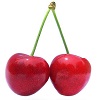 Red Cherry |
 Strawberry |
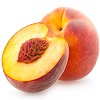 Peach |
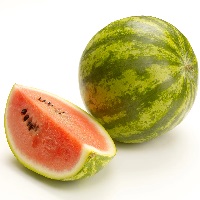 Melon |
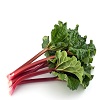 Rhubarb |
 Roses |
 Herbs |
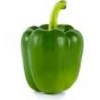 Pepper |
Valencia Rosado Profile
Valencia Rosado has a medium body, good acidity and a fairly long length:
| SUGAR: | Dry (3 g/l) |
| BODY: | Medium |
| FRUIT: | Medium |
| ACIDITY: | Medium Plus |
| ALCOHOL: | 12% ABV |
 |
Serving Temerature: 10-12°C (50-54°F) |
Valencia Rosado Food Pairing
Valencia Rosado has a well-balanced acidity, making it very versatile for food pairing.
It loves Tapas, Grilled Vegetables, Charcuterie, Mediterranean Seafood, BBQ and all types of Spicy Food.
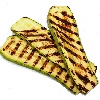 Grilled Vegetables |
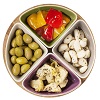 Tapas |
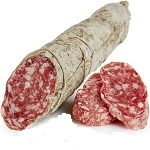 Charcuterie |
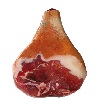 Ham |
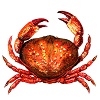 Seafood |
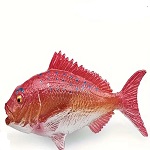 Fish |
 Paella |
 Spicy |
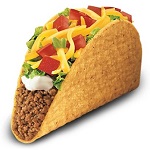 Taco |
 Spicy Hamburger |
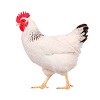 BBQ Chicken |
 BBQ Pork |
Excellent Pairings
Tapas. Apetizers. Tapenade.
Olive Oil Salads. Salad Nicoise.
Anchovy. Garlic. Safran. Herbs.
Grilled or Steamed Vegetables.
Cold Curts. Ham. Charcuterie.
Spicy Sausages. Herb Sausages.
Spanish Seafood. Grilled Fish.
Grilled Tuna. Smoked Salmon.
Crab Cake. Tuna Salad. Cous Cous.
Umami. Sushi. Sashimi. Gravlax.
Spicy Asian. Thai. Mexican.
Moroccan. Indian Curry.
Hamburger. Tacos. Fajitas. Wrap. Quiche.
BBQ. Grilled Pork, Chicken, and Lamb.
Cheeses
Goat and Sheep Cheese.
Spanish Specialities
Chicken Empanadas (Breaded Chicken).
Chicken Chilindron (Chicken Stew).
Moroccan Tangine (Slow-cooked Stew).
Paella Valencia (Rice. Rabbit. Chicken. Saffron).
Wine Region Valencia

Valencia is a small wine region at the sunny east coast of Spain. It is known all over the world for being the home of Paella.
The wine scene in Valencia is divided into 3 official DO regions
(DO - Denominaciones de Origen).
- DO Valencia
- DO Utiel-Requena
- DO Alicante
DO Valencia
The most common wines in Valencia are white, easy drinking wines made from Macabeo (Viura) and the local Merseguera.
Easy drinking reds include Monastrell and Garnacha.
Keep an eye out for good quality sweet dessert wines like Moscatel de Alejandra.
The DO region wraps around the city of Valencia, across both coastal lowlands and inland hills. Because the landscape changes so much, the region is broken down into four unique sub-zones:
- Alto Turia
The highest subzone (700–1,100 meters elevation) northwest of the city. It is known for fresh, dry white wines like Merseguera. - Valentino
This is the largest sub-zone, sitting on rolling hills. It grows a giant mix of both red and white grapes. - Moscatel de Valencia
Positioned closer to the warm sea level, this sunny area specializes in the famous, deeply sweet Moscatel dessert wine. - Clariano
Isolated far to the south, bordering Alicante, this region is known for red blends. It features a stunning valley called Terres dels Alforins. Winemakers often call this beautiful spot "the Tuscany of Valencia" because of its gorgeous, rolling green hills.
DO Utiel-Requena
Located 70 km (40 miles) inland from the city of Valencia, this plateau sits at an elevation of 600–900 meters.
Just an hour's drive west of Valencia city, this inland plateau experiences harsh, cold winters and very hot, dry summers.
Utiel-Requena is the world capital for Bobal, a tough, dark-skinned native grape. It makes deep red wines that taste like dark berries and have a lot of rich personality.
Bobal also produces fruit-forward and structured rosés.
Bobal is the second most planted red grape in Spain. In Utiel-Requena, it occupies 80% of the vineyards.
Valencian Cava: The historic town of Requena is unique because it is the only place in the entire Valencia region officially allowed to make Cava, Spain’s famous sparkling wine.
DO Alicante
Located in the southernmost part of the Valencian territory, Alicante is very hot and dry.
The main grape here is Monastrell. This grape loves the intense sun and produces dark, powerful, fruit-driven red wines, but Garnacha and Merseguera are also present.
Alicante is also famous for a rare, luxury wine called Fondillón. It is a unique, unsweetened dessert wine made from overripe grapes and aged for at least 10 years. It has been a favorite of European royalty for over 500 years!
Black Grapes
|
White Grapes
|
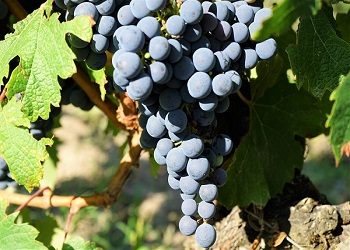
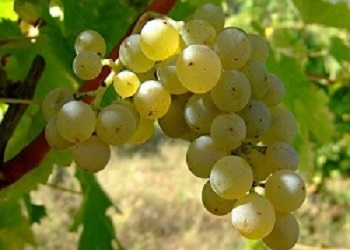
Red Wines
|
White Wines
Garnacha Blanca |
Soil
Hilly |
Climate
Continental Climate |