Sukholymansky (Ukraine)
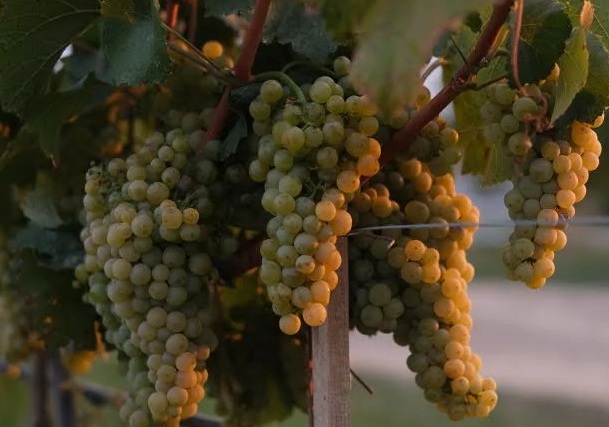
Sukholymansky (Sukholimanskii) is a uniquely Ukrainian grape, born from a cross between Chardonnay and Plavay, developed in the late 20th century by the Tairov Institute in Odesa.
Sukholymansky Flavors
Typical Sukholymansky flavors are Pear, White Fruit, and Melon with a touch of Herbs, White Flowers and Nutmeg.
 Pear |
 White Plum |
 Melon |
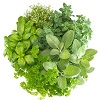 Herbs |
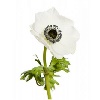 White Flowers |
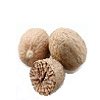 Nutmeg |
Sukholymansky Profile
Sukholymansky is known to be an aromatic wine with zesty acidity:
| SUGAR: | Dry (3 g/l) |
| BODY: | Light |
| FRUIT: | Medium |
| ACIDITY: | Medium - High |
| ALCOHOL: | 12% ABV |
 |
Serving temperature: 8-10°C (46-50°F) |
Sukholymansky Food Pairing
The wine's acidity pairs well with white fish, grilled shrimp, and calamari.
 Aperitif |
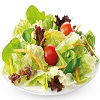 Salads |
 Vegetables |
 Pasta |
 Fish |
 Chicken |
 Turkey |
 Pork |
Excellent Pairings
Aperitif.
Light Appetizers. Light Vinaigrettes.
Salads. Vegetable Dishes.
Light Pasta Dishes.
Seafood. Mussels. Grilled Scallops.
Grilled Shrips. Calamari.
White Fish. Seabass.
Egg Dishes. Omlet.
Poultry. Light Chicken Dishes.
The Ideal Glass for Sukholymansky
A Tulip Shaped Glass with a slightly smaller bowl can be suitable for various dry white wines.
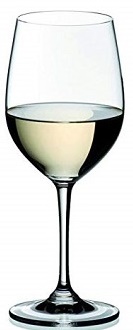
|
The glass guides the wine to the center of your mouth, avoiding the sides where acidity is less pleasant.
A smaller bowl also helps to serve smaller quantities, and keep the wine cold. It also helps if you hold the glass by the stem! |
Sukholymansky Cheese Pairing
Sukholymansky is known for its light, crisp, and sometimes slightly fruity profile. It pairs well with a variety of cheeses.
Opt for cheeses with moderate saltiness and creaminess to balance the wine's acidity.
You can also add fresh fruits (grapes, apples, pears), nuts (almonds, walnuts), or a light drizzle of honey to enhance the pairing.
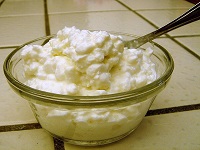
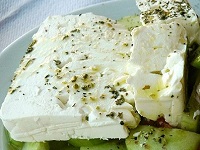
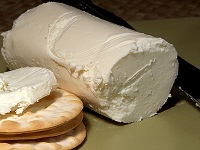
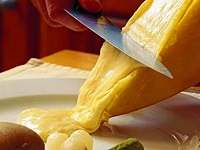
Fresh and Mild Cheeses
Pairing Sukholymansky with Cottage Cheese can be quite delightful. The creamy texture and mild flavor of the cheese also offer a versatile canvas for adding nuts, honey, and fresh fruits to the pairing.
Goat Cheese (Chèvre, Feta): The tanginess complements the subtle fruit notes of Sukholymansky.
Soft Cheeses
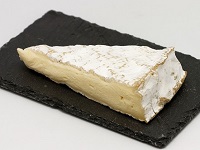
Brie: The creamy texture and mild flavor work beautifully with Sukholymansky.
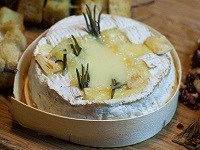
Camembert: Similar to Brie but with slightly more earthiness.
Fontina: Its nutty, buttery qualities make a good match.
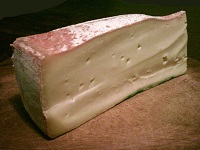
Raclette cheeses are rich, creamy, and often salty. They call for a wine that can cut through the fat, refresh the palate, and balance the dish's intensity.
Semi-Hard Cheeses
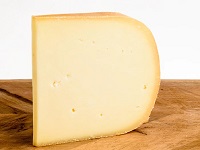
Gouda: The crisp acidity and bright citrus flavors of a Sukholymansky can provide a refreshing contrast to the creamy texture of a young Gouda.
If You Like Sukholymansky
You Will Also Like:
The Black Sea Region
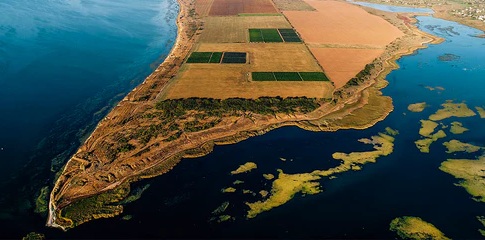
The Black Sea region is the southern region of Ukraine, and includes several regions: Odessa, Mykolaiv and Kherson.
This is where most vineyards are located.
- Odesa (Bessarabia & Black Sea coast) – largest region
- Mykolaiv & Kherson – hot, dry, steppe climate
- Crimea – historically very important (Mediterraneanclimate)
These areas dominate production because of sun, warmth, and sea influence.
Odesa is Ukraine’s largest and most important wine area.
Winemaking here is influenced by a continental and maritime climate, often with droughts.
The soils are chernozems, sandy loams and some limestone rocks.
Wine Style
Rich, ripe wines with good fruit concentration.
Think: Similar to southern France or coastal Italy.
Notable Wines
Odesa Black produces deeply colored reds with dark fruit and spice.
Sparkling wines are also important.
Red Grapes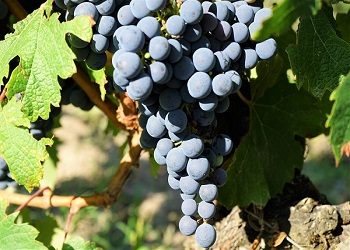
Odesa Black |
White Grapes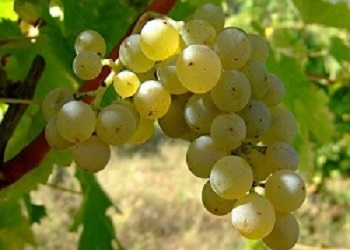
Telti Kuruk |
Soil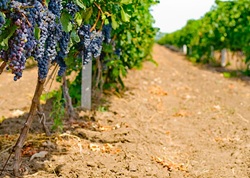
Highly fertile Ukrainian black soil (chernozem). |
Climate
Warm and sunny. |
Zakarpattia
Zakarpattia is on the border with Hungary and Slovakia.
Zakarpattia is known as the land of white wines, but in recent years, red varieties have also been ripening here.
The climatic conditions of the region are favorable for vine growing, since the territory is closed from northern cold winds by the Carpathian mountains, that creates a special microclimate.
There is a lot of sunshine here, and vineyards grow on the local slopes.
The main white grapes are Traminer, Muscat Ottonel, Furmint, Riesling, Chardonnay.
Major red varieties are Cabernet Sauvignon, Merlot, Pinot Noir, Zweigelt. Blaufränkisch.