Portuguese Grapes
Portugal is home to over 250 indigenous grape varieties, giving it the highest density of native grapes in any country.
While many international varieties like Syrah and Cabernet Sauvignon are grown, the country's identity is defined by its diverse local cultivars.
Main Red Grapes
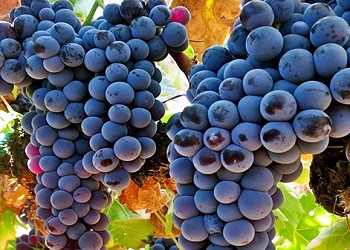
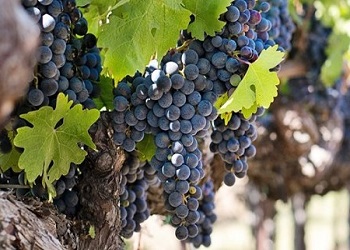
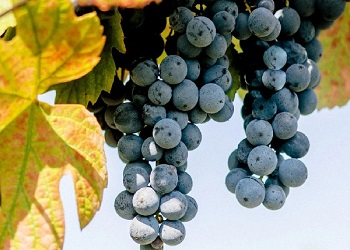
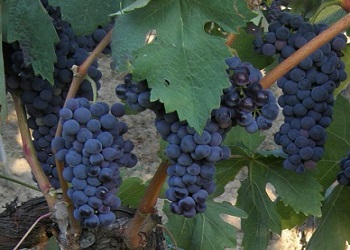
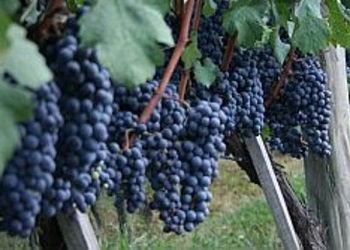
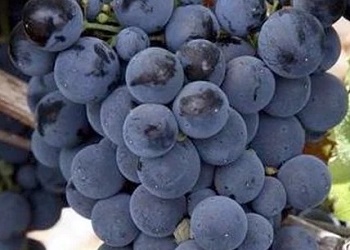
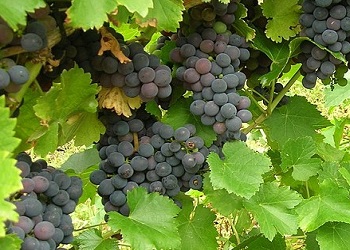
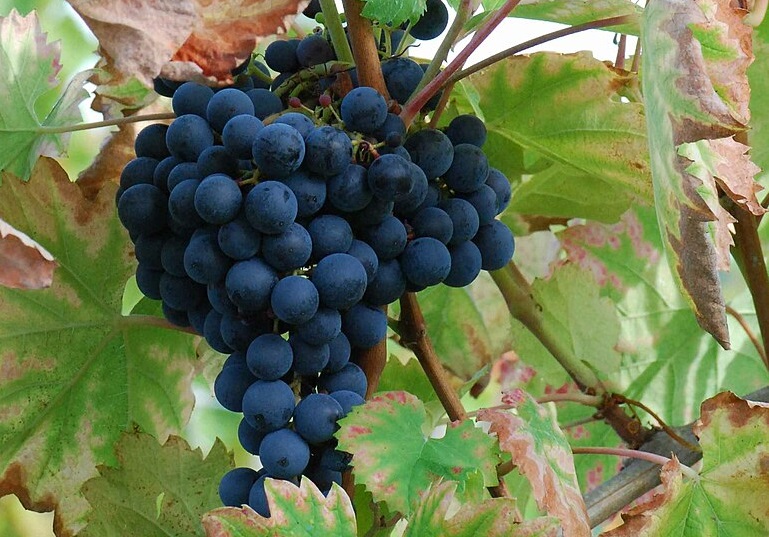
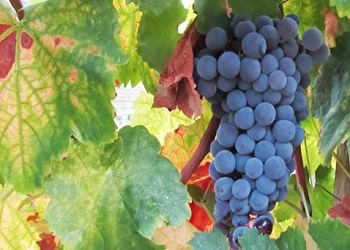
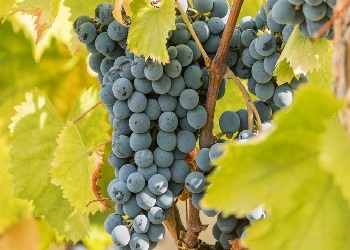
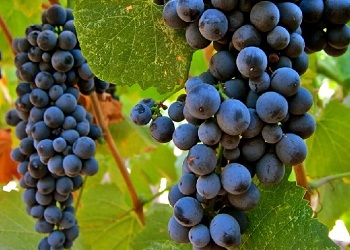
Portugal’s red grapes range from the light and rustic to the dark, powerful, and age-worthy.
- Touriga Nacional
Often called Portugal's "flagship" or "noble" red grape. It produces deep-colored, full-bodied wines with high tannins and intense aromas of violets, blackberries, and bergamot. It is a primary component of Port and high-end dry reds from the Douro and Dão. - Touriga Franca
The most widely planted grape in the Douro Valley. It is prized for its aromatic elegance (blackberry and rose notes) and softer tannins, often used to balance the power of Touriga Nacional in blends. - Aragonez / Tinta Roriz
Known as Tempranillo in Spain, this grape goes by Tinta Roriz in northern Portugal and Aragonez in the south. It provides structure, spice, and red-fruit flavors like strawberry and plum. - Baga
The signature grape of the Bairrada region. It is a late-ripening, tannic variety that produces high-acid wines capable of long aging, often compared to Nebbiolo or Pinot Noir. - Castelão
One of the most widely planted red varieties, particularly in the south (Península de Setúbal and Alentejo). It typically yields rustic, fruity wines with notes of raspberry and red currant. - Trincadeira
Known as Tinta Amarela in the Douro, it thrives in hot, dry climates like Alentejo. It contributes spicy, herbaceous, and dark plum flavors to blends. - Alicante Bouschet
Though originally French, it has become a staple in Alentejo. As a teinturier grape (red-fleshed), it is used to add deep color, tannins, and notes of smoke and chocolate.
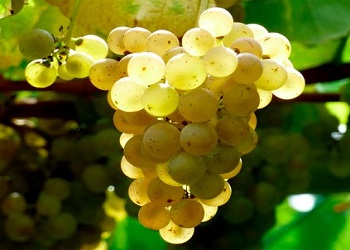
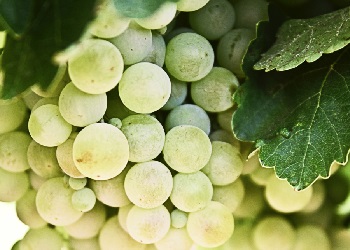
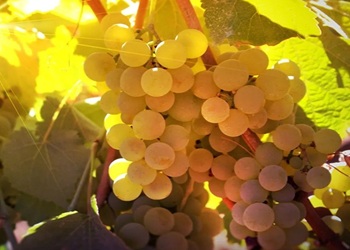
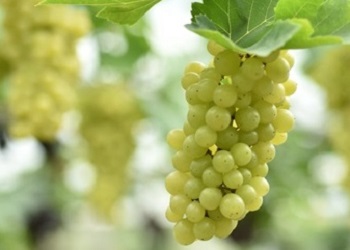
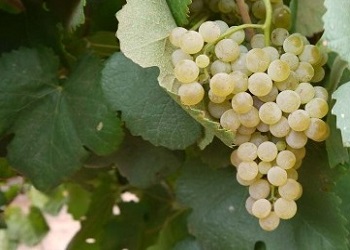
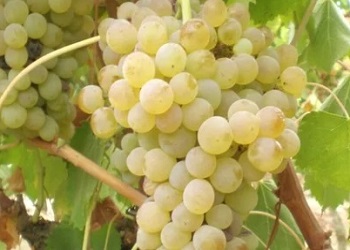
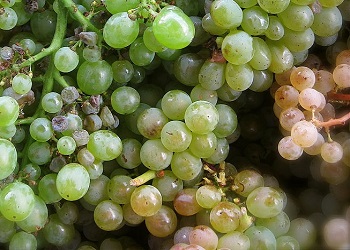
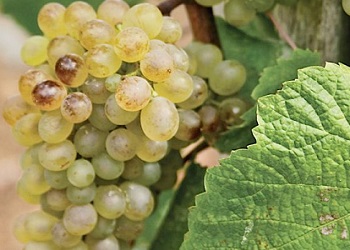
Portuguese white wines are diverse, offering everything from light, crisp options to complex, age-worthy styles:
- Alvarinho
A star of Vinho Verde (specifically Monção and Melgaço), recognized for high acidity and intense aromas of peach and lemon. - Arinto
Grown throughout the country and prized for its naturally high acidity, offering freshness and aging potential with green apple and lime flavors. - Fernão Pires / Maria Gomes
The most widely planted white grape in Portugal, known for its versatile, aromatic profile featuring citrus and floral notes. - Loureiro
A prominent Vinho Verde variety, named for its characteristic bay leaf and floral, aromatic profile. - Roupeiro
Known to be the oldest white wine grape in Portugal. Planted primarily in the Alentejo and Douro regions. - Trajadura
Trajadura (known as Treixadura in Spain) is a prominent white wine grape native to the northwestern Iberian Peninsula. - Verdelho
Verdelho is one of Madeira's noble grape varieties. Historical records show plantings of Verdelho grapes in Portugal as early as the 15th century.
Portuguese Grape Plantings
Tinta Roriz (Tempranillo) Touriga Franca (Port Wine) Castelão / João de Santarem Fernão Pires Touriga Nacional Tinta Amarela (Trincadeira) Baga Roupeiro (Siria) Arinto SyrahSource: OIV Note de conjoncture mondiale 2017