Gamza (Bulgaria)
Gamza is mainly used for red table wines.
In good years, especially with warm, dry autumns, the wines are harmonious and expressive.
Gamza is also historically part of many blends in the Balkans, but in Bulgaria it is often bottled on its own.
Gamza Flavors
Gamza is known for a bright ruby color, vibrant acidity, and elegant aromas of Red Berries, Cherries, and Spices.
 Raspberry |
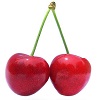 Cherry |
 Pomegranate |
 Cranberry |
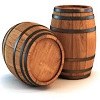 Oak |
 Pepper |
 Cinnamon |
 Paprika |
Gamza Profile
Gamza wines are typically medium to full‑bodied, lively, and fruit‑forward, with a distinctive freshness.
The style can be compared to Pinot Noir and Gamay.
| SUGAR: | Dry (3 g/l) |
| BODY: | Medium |
| TANNINS: | Medium - Light |
| FRUIT: | Medium Plus |
| ACIDITY: | Medium Plus |
| ALCOHOL: | 12-13% ABV |
 |
Serving Temerature: 14-16°C (57-61°F) |
Gamza Food Pairing
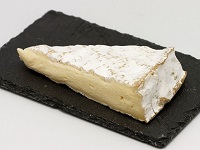
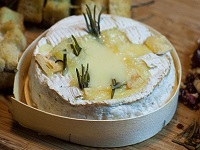
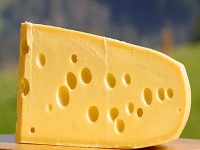
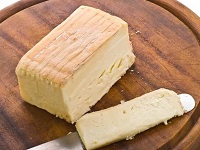
Gamza’s bright fruit and fresh acidity make it versatile at the table. Its juicy profile also works well with grilled vegetables and soft cheeses.
 Ham |
 Sausages |
 Hamburger |
 Pork |
 Stews |
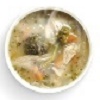 Casseroles |
 Spaghetti |
 Pizza |
Excellent Pairings
Pork dishes. Roast Pork. Pork Chops. Ssausages.
Duck (especially with fruit‑based sauces)
Tomato‑based dishes. Ppasta. Pizza.
Stews. Lightly Spiced Meats.
The Ideal Glass for Gamza
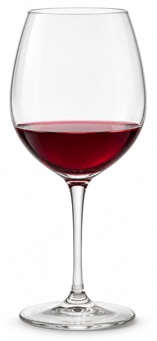
A Standard Red Wine Glass is a good choice for enjoying medium-bodied red wines.
|
The medium-sized, rounded bowl provides room to swirl the wine and release its aromas. The slightly tapered opening helps concentrate fruity and floral aromas near the rim. Hold the glass by the stem to avoid warming the wine with your hand. Fill the bowl 1/3 full, leaving space for swirling. |