Wine Pairing
Allgäuer Emmentaler
Bavarian Swiss (Germany)
Allgäuer Emmentaler is a PDO protected hard, raw Cow milk cheese from the Allgäu region of Bavaria, near the German Alps.
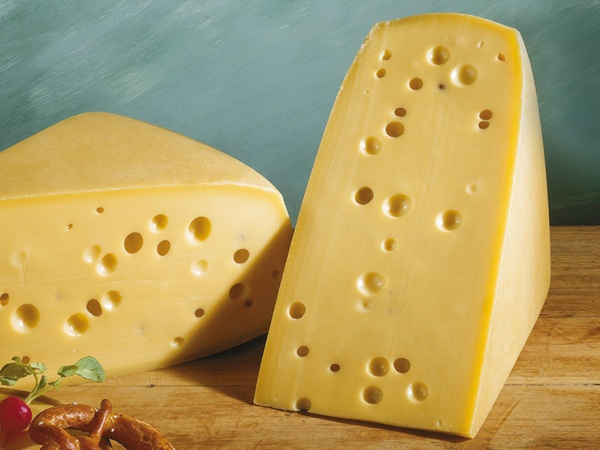
Different Allgäuer cheeses are produced in the Swabian region of Bavaria, particularly in Lindau, Oberallgäu, Ostallgäu, and Unterallgäu.
The two main types are Allgäuer Bergkäse (mountain cheese) and Allgäuer Emmentaler, both characterized by a nutty, aromatic flavor and firm texture, often made from alpine hay milk.
Allgäuer Bergkäse (PDO)
A hard mountain cheese aged 4–16 months, known for its spicy and nutty flavor.
Allgäuer Emmentaler (PDO)
The German version of Swiss Emmentaler, with large holes, a milder nuttier taste,
and aged for at least 3 months.
Allgäuer Sennalpkäse
A summer-produced alpine hard cheese with a stronger, smoky, spicy flavor.
White Wines
Chardonnay
A lightly oaked Chardonnay can echo the buttery richness of the cheese. Chablis, specifically, is often cited as an ideal match due to its shared underlying fruity and nutty notes.
Gewürztraminer
The exotic spice and floral notes of an Alsace Gewürztraminer complement the creaminess of the cheese without overpowering it.
Grüner Veltliner
Grüner Veltliner is an Austrian white wine known for its peppery and citrusy flavors, as well as its high acidity.
Rosé Wines
A dry or slightly off-dry rosé can provide a versatile pairing option for Allgäuer Emmentaler. The crisp acidity and red fruit flavors of rosé wine can balance the cheese's creaminess while adding a refreshing touch to the pairing.
Pinot Noir Rosé
A light Pinot Noir Rosé with red fruit flavors and a bright acidity can complement Allgäuer Emmentaler without overwhelming it.
Zinfandel Rosé
White Zinfandel balances dryness with a moderate sweetness. This makes it a great wine for pairing with basically any of your favourite soft cheeses.
Medium Bodied Red Wines
Semi-hard cheeses can stand up to the depth of medium bodied red wines. Select a fruity wine that can enhance the robust flavors of a semi-hard cheese without overwhelming it.
Beaujolais
This light-bodied, fruity red is a safe bet, as its low tannins and vibrant red berry character harmonize with the cheese's mildness.
Pinot Noir
A light Pinot Noir with red fruit flavors and silky tannins is an excellent match, providing a bright acidity that doesn't overwhelm the cheese’s delicate taste.
Barbera
This Italian red wine, known for its bright acidity, fruity flavors, and soft tannins, pairs wonderfully with Allgäuer Emmentaler. Its acidity helps cut through the cheese's creaminess, while its fruity notes complement the cheese flavors.
Merlot
A soft and fruity red wine like Merlot can be a surprisingly good match for Allgäuer Emmentaler. Merlot's ripe plum and cherry flavors, along with its smooth tannins, can complement the cheese's creamy texture and enhance its flavors.
Sparkling Wines
Sparkling wines pair beautifully with Allgäuer Emmentaler because the acidity and bubbles refresh the palate while highlighting the cheese’s creamy texture. The wine’s toast and brioche notes also complement Jarlsberg’s nutty character naturally.Allgäuer Emmentaler
Blanc de Blancs styles create a fresher expression, while richer vintage sparkling wines enhance the cheese’s buttery depth.
Blanc de Blanc
A dry Champagne or a dry Cremant with its toasty notes and lively bubbles will enhance the flavors of Allgäuer Emmentaler and elevate the tasting experience.
Prosecco
The bubbles and acidity of Prosecco cleanses the palate between the bites of cheese, making it a delightful pairing option for Allgäuer Emmentaler.
Dessert Wines
Pairing dessert wines with semi-soft cheeses can be a delightful culinary experience, as the right wine can complement the creamy texture and mild to pungent flavors of the cheese. Here are some top recommendations for dessert wine pairings with semi-soft cheeses:
Sauternes
This sweet French wine from Bordeaux is excellent with Allgäuer Emmentaler, especially those that are a bit tangy or have a bloomy rind. The lush, sweet characteristics of Sauternes can balance the creaminess of the cheese.
Muscat
A sweet Muscat offers floral aromatics and a lighter sweetness that can lift the flavors of a creamy semi-soft cheese without overwhelming it.
Fortified Wines
Pairing fortified wines with semi-soft cheeses can create delightful contrasts and harmonies in flavor and texture.
Tawny Port
The oxidative aging process of Tawny Port imparts rich flavors of caramel, nuts, and dried fruits, which can complement the creamy, often buttery notes of semi-soft cheeses. Its sweetness can also balance any slight saltiness in the cheese.
Ruby Port
The fruity and vibrant profile of Ruby Port, with its hints of berry and chocolate, pairs well with the smooth textures and milder flavors of semi-soft cheeses, especially those with a subtle sweetness.
Sherry Amontillado
With its nuanced balance of nuttiness and dryness, Amontillado Sherry works beautifully with semi-soft cheeses. Its complex flavors can enhance the mild and creamy characteristics of the cheese without overwhelming them.
Madeira
Depending on the style, Madeira can range from dry to sweet. A medium-dry Madeira, like Verdelho, combines well with semi-soft cheeses by offering a balance of sweetness and acidity that can cut through the creamines.
Personal Preferences
.jpg)
Enjoy your wine and cheese with local fruits nuts and bread!
Personal preferences play a significant role in wine and cheese pairings, so don't hesitate to experiment to find the combination that suits your taste buds best.
Consider adding some accompaniments like fruit, nuts, or bread to enhance the pairing experience:
- Crusty Bread and Crackers
- Nuts, Peanuts and Fries
- Grapes and Berries
- Olives and Garlic
- Figs and Rasins
- Apple and Honey
- Sliced Pear
- Dark Chocolate
- Rosemary and Thyme

Clara Peeters - Still Life with Cheeses, Almonds and Pretzels 1615
If it Grows Together
If it grows together it goes together.
Pairing locally is a great way to learn more about wine and cheese:
 France
Chèvre from Loire is great with Sauvignon Blanc from Loire.
Munster from Alsace is great with Gewürztraminer from Alsace.
French Sauternes with French Roquefort.
 Italy
Italy
Strong Gorgonzola pairs perfectly with Barolo.
Pecorino pairs well with Chanti.
Pino Grigio goes well with Mozzarella.
 Spain
Spain
Manchego is gorgeous both with Cava and Rioja.
 Alpine
Alpine wines were made with dishes like Raclette in mind.