Wine Pairing
Vegetarian Lasagna
(Tomato Based)
Lasagna with Tomato Sauce, Spinach, Cheese, and Mushrooms

The best pairing for a tomato-based vegetarian lasagna is a medium-bodied red wine with high acidity. The acidity in the tomatoes requires a wine that can match its tartness so the wine doesn’t taste flat, while the lack of meat means you should avoid high-tannin reds that would easily overpower the vegetables.
Chianti Classico (Sangiovese)
Traditional Italian pick. High acidity cuts right through the tomato sauce and rich cheese layers.
Barbera
A bright red option from Northern Italy. It offers deep red fruit flavors but features very low tannins and high acidity.
Etna Rosso
A rustic, earthy, and elegant option from Sicily, ideal for vegetable-heavy recipes.
International Red Wines
Pinot Noir
A fantastic light-to-medium-bodied selection. Earthy notes perfectly complement fillings like mushrooms, spinach, and herbs.
Gamay (Beaujolais)
Light, fruity, and highly refreshing. It balances sweet, slow-cooked marinara and roasted garden vegetables without dragging down the palate.
White and Rosé Wines
If you prefer to move away from reds, ensure the alternative bottle has enough structural crispness to handle both the acidic tomatoes and heavy béchamel or ricotta cheese.
Sauvignon Blanc
Herbaceous and citrusy. It acts as a great mirror for fresh zucchini, bell peppers, or basil.
Unoaked Chardonnay
Delivers a round, medium-to-full body. It balances the creaminess of the lasagna cheeses without competing against the vegetables.
Bandol Rosé
A gastronomic, dry option. Offers a brilliant balance of summer fruit freshness and robust structures for sun-drenched vegetables like eggplant.
Bubbles are Excellent
Sparkling wine is an excellent pairing for lasagna. The bubbles and high acidity slice through the heavy fat of cheese, meat, and béchamel sauce, refreshing your palate after every bite.
Prosecco Superiore (Brut)
Crisp, apple-forward, and light. Best for spinach, ricotta, or zucchini-based lasagnas.
Blanc de Blancs
100% Chardonnay bubbles. Pairs beautifully with rich, buttery, all-cheese white lasagnas.
Lambrusco Secco
A dry, sparkling Italian red wine served chilled. The lively carbonation acts as a palate cleanser between bites of cheese and béchamel sauce.
Spanish Cava (Brut Nature)
Bone-dry sparkling wine. The intense bubbles act as a palate cleanser against rich ricotta and mozzarella.
Personal Preferences
As always, personal preferences play a significant role in wine and food pairings. Don't hesitate to experiment to find the combination that suits your taste buds best.
Each pasta dish has its own personality, and the wine should either complement or contrast its flavors in an enjoyable way.
Try to match the intensity of the pasta with a wine of similar weight, and let acidity be your guide when pairing with tomato-based sauces.
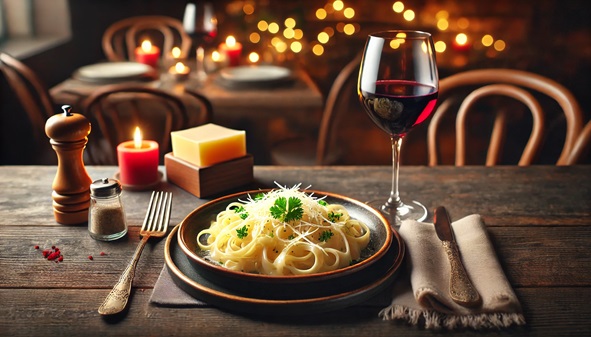
Enjoy experimenting with pasta and red wine!
Grows Together Goes Together
If it grows together it goes together.
Pairing locally is a great way to learn more about food and wine:
Italy
Spaghetti al Pomodoro (Tomato Sauce Spaghetti)
An Italian Chianti balances the acidity of the tomato sauce,
making it a classic pairing.
Penne all’Arrabbiata (Spicy Tomato Sauce)
Primitivo tames the heat and complements the sauce’s spice.
Lasagna (Meat and Tomato Sauce)
Chianti Classico, Barbera, or Montepulciano d’Abruzzo
wines have the acidity to cut through the richness of lasagna.
France
Pâtes à la Carbonara (French-Style Carbonara)
A light-bodied Pinot Noir with soft tannins and earthy notes is a great option.
Coquillettes au Jambon (Macaroni with Ham and Cheese)
A light and fruity Beaujolais complements the salty ham and creamy cheese.