Corsica Wine Region
Corsica is a mountainous Mediterranean island southeast of mainland France and west of Italy. Vineyards are found mainly around the island's coast and foothills, where the combination of mountains, sea, sunshine and cooling winds creates many different growing conditions.
Corsican wines are produced as red, white and rosé, with rosé accounting for a particularly important share of production.
The island is best known for fresh Mediterranean wines with herbal, floral and mineral characteristics.

Important Grapes
Nielluccio is one of Corsica's most important red grapes. Considered genetically identical to Sangiovese, it produces structured wines with red cherry, raspberry, dried herbs, spice and earthy flavors. It is especially important around Patrimonio.
Sciaccarello is Corsica's most distinctive native red variety. It generally produces lighter, more aromatic wines than Nielluccio, with red berries, flowers, herbs and a characteristic peppery/spicy quality. It is particularly associated with western and southern Corsica, including Ajaccio.
Vermentino, locally traditionally called Vermentinu, is the island's principal quality white grape. It produces fresh, aromatic whites with citrus, pear, apple, flowers, herbs and sometimes a salty/mineral character.
Other grapes include Grenache, Syrah, Carignan, Cinsault and Mourvèdre, along with a number of old Corsican varieties that are increasingly being rediscovered.
Wines
Red wines range from light, fragrant Sciaccarello-based wines to more structured Nielluccio wines. Typical flavors include cherry, raspberry, blackberry, Mediterranean herbs, pepper and spice.
White wines, especially those based on Vermentinu, are usually dry and fresh with citrus, stone fruit, flowers, herbs and mineral or saline notes.
Rosé is extremely important. Corsican rosés are generally dry and refreshing, with strawberry, raspberry, citrus and herbal flavors.
One of the fascinating characteristics of Corsican wine is the frequent aroma of Mediterranean herbs and scrubland. The Corsican term maquis describes the aromatic wild vegetation covering much of the island—rosemary, myrtle, juniper, immortelle and other herbs and shrubs.
Climate
Corsica has a Mediterranean climate with abundant sunshine, hot and generally dry summers, and relatively mild winters.
Describing Corsica simply as hot would be misleading. The island is extremely mountainous, with peaks above 2,000 meters, and many vineyards are influenced by altitude.
Mountains create large variations in temperature and rainfall, while proximity to the Mediterran moderates temperatures.
Sea breezes and strong local winds provide ventilation and can reduce heat and humidity in the vineyards. Cooler nights in elevated sites help grapes retain acidity despite the island's abundant sunshine.
Terroir
Corsica has unusually varied geology for an island of its size.
Much of western Corsica has granite soils, particularly important around Ajaccio. These well-drained soils are strongly associated with Sciaccarello.
Northern Corsica, including Patrimonio, has significant limestone and clay-limestone soils. Nielluccio performs particularly well here.
Other areas contain schist, especially in parts of northern and eastern Corsica, as well as alluvial and sedimentary soils closer to the coast.
Wine Region Corsica
Black Grapes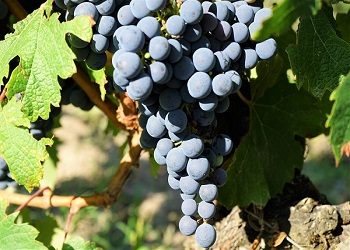
Nielluccio |
White Grapes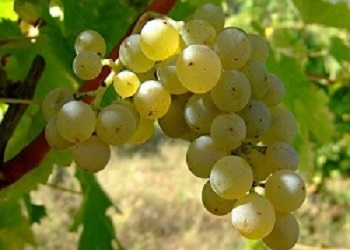
|
Climate
Sunshine |
Soil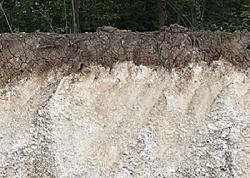
Granite |
Alcohol can be addictive. Always drink in moderation.
© Copyright 2015-2026 W3 Wine School. All Rights Reserved.