Wine Pairing
Graviera (Greece)
Graviera is a cheese from Crete, Lesbos, Naxos and Amfilochia.

Graviera fried in Saganaki
White Wines
White wines with good acidity and body are the primary choice for Graviera, especially younger versions.
Assyrtiko (Santorini)
The high acidity and citrus notes of an Assyrtiko "cut through" the fat of richer, saltier Graviera.
Vidiano (Crete)
A natural regional match, particularly for Graviera from Crete. Its stone fruit aromas and medium body complement the cheese's buttery richness.
Malagousia
A floral and aromatic Greek white that enhances the sweetness in a smooth, young Graviera.
Chardonnay
For international options, a full-bodied Chardonnay (one with neutral or light oak) mirrors the nutty and buttery qualities of the cheese.
About Graviera
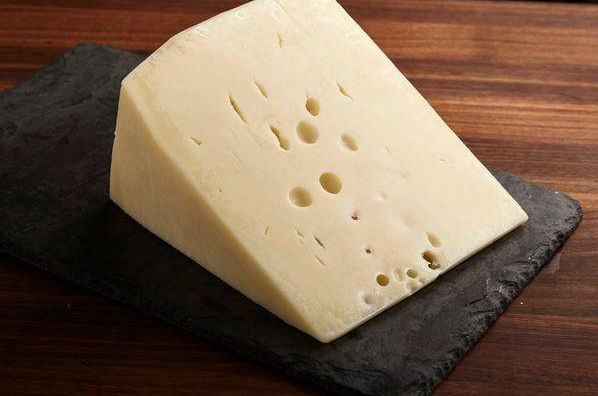
Graviera resembles Gruyère, from whose name "graviera" is derived, but uses sheep milk and sometimes goat milk.
Graviera is a fine cheese for Baking, and particularly suited for Fondues.
Graviera can be consumed fried in Saganaki, in salads and in cheese pies.
When added grated over pasta dishes it adds a wonderful flavour.
Medium Bodied Red Wines
As Graviera ages and becomes harder and saltier, it can stand up to the structure of red wines.
Agiorgitiko (Nemea)
This fruit-forward red is the "dream match" for Graviera Naxou (made from cow's milk), as its soft tannins don't overpower the cheese's sweetness.
Xinomavro (Northern Greece)
A bold, high-tannin red that pairs beautifully with mature or spicy Graviera. The tannic structure binds well with the proteins in aged cheese.
Liatiko
An elegant red from Crete that highlights the caramelized, nutty flavors found in aged sheep's milk Graviera.
Pinot Noir
A light to medium-bodied Pinot Noir can offer a versatile pairing option for Graviera. The wine's bright acidity and red fruit flavors can complement the cheese's creamy texture and subtle sweetness without overpowering it.
Merlot
A soft and fruity red wine like Merlot can be a surprisingly good match for Graviera. Merlot's ripe plum and cherry flavors, along with its smooth tannins, can complement the cheese's creamy texture and enhance its flavors.
Pairing Summary
| Type | Wine | Why |
|---|---|---|
| Young / Buttery | Vidiano or Malagousia | Enhances sweetness and floral notes. |
| Aged / Salty | Assyrtiko or Xinomavro | Acid or tannins balance richness and salt. |
| Naxou (Cow's Milk) | Agiorgitiko or Merlot | Smooth, fruity profile matches the mild sweetness. |
Sparkling Wines
Champagne or Cremant
A dry Champagne with its toasty notes and lively bubbles can enhance the flavors of Graviera and elevate the tasting experience.
Prosecco
The bubbles and acidity of Prosecco can cleanse the palate between bites of Graviera, making it a delightful pairing option.
Sekt
Sekt is the German term for sparkling wine. It is produced in Germany, Austria, and other German-speaking regions.
It has a variety of styles, from dry to sweet, and is made using different methods and grape varieties. Deutscher Sekt is made exclusively from German-grown grapes.
Dessert Wines
Pairing dessert wines with semi-hard cheeses offers an interesting contrast between the slight firmness of the cheese and the sweet, sometimes rich profiles of the wine.
Sauternes
Sauternes is a luxurious French dessert wine made from Semillon, Sauvignon Blanc and Muscadelle grapes. The wine's honeyed sweetness and rich flavors of apricot and peach can complement the cheese's savory richness, creating a harmonious pairing.
Fortified Wines
Fortified wines are an excellent match for semi-hard cheeses because their higher alcohol content and concentrated flavors can stand up to the cheese's density and salt.
Madeira
The rich, nutty and caramel-like flavors of Madeira can stand up well to the denser, often nuttier profiles of semi-hard cheeses. This wine's robust character complements Graviera best if it has a bit of age.
Amontillado or Palo Cortado Sherry
These are considered the "gold standard" for semi-hard cheeses. Their oxidative, nutty notes (almond, hazelnut) mirror the savory complexity of these cheeses.
Sherry Oloroso
Slightly sweeter and richer than Amontillado, Oloroso Sherry works well with older or more flavorful Graviera, as it complements the intensity and complex flavors.
Tawny Port (10-Year)
This is a versatile favorite for semi-hard cheeses like Gouda, Gruyère, and Cheddar.
The caramel and dried fruit flavors in the Port complement the cheese’s sweetness and nutty undertones without being as overwhelming as a Vintage Port.
Personal Preferences
.jpg)
Enjoy your wine and cheese with local fruits nuts and bread!
Personal preferences play a significant role in wine and cheese pairings, so don't hesitate to experiment to find the combination that suits your taste buds best.
Consider adding some accompaniments like fruit, nuts, or bread to enhance the pairing experience:
- Crusty Bread and Crackers
- Nuts, Peanuts and Fries
- Grapes and Berries
- Olives and Garlic
- Figs and Rasins
- Apple and Honey
- Sliced Pear
- Dark Chocolate
- Rosemary and Thyme

Clara Peeters - Still Life with Cheeses, Almonds and Pretzels 1615
If it Grows Together
If it grows together it goes together.
Pairing locally is a great way to learn more about wine and cheese:
 France
Chèvre from Loire is great with Sauvignon Blanc from Loire.
Munster from Alsace is great with Gewürztraminer from Alsace.
French Sauternes with French Roquefort.
 Italy
Italy
Strong Gorgonzola pairs perfectly with Barolo.
Pecorino pairs well with Chanti.
Pino Grigio goes well with Mozzarella.
 Spain
Spain
Manchego is gorgeous both with Cava and Rioja.
 Alpine
Alpine wines were made with dishes like Raclette in mind.